

Invest In Morocco Properties Through Trusted Moroccan Estate Agent
Morocco is within the North-western part of Africa with only a distance of fourteen kilometres to the European part. The country is endowed with perpetual sunlight, Atlantic and Mediterranean beaches and royal 1000 years old cities.
Over the last decade the government has opened the market to foreign buyers, upgraded motorways, built new ports and launched high-speed rail.
The result is a property sector that offers solid value, strong rental demand and a clear route to residency if you wish to stay. In this guide, we explain how to buy safely, where to look, and how a reliable estate agent keeps every step calm and transparent.
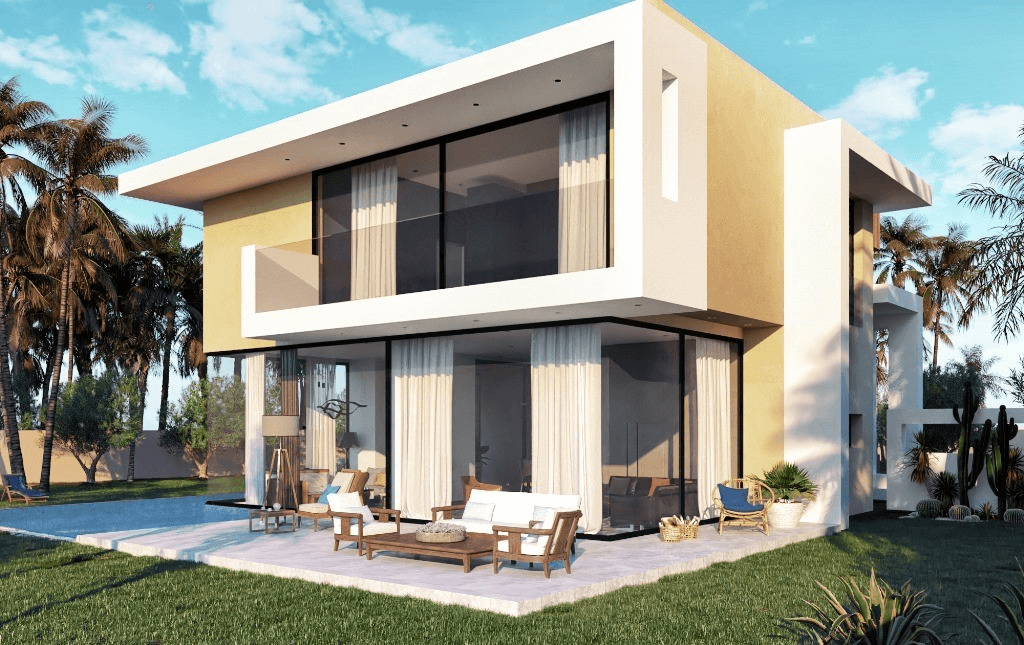
Why Buyers Choose Morocco?
Morocco properties cost far less than similar homes in southern Spain or Portugal. A two-bed apartment in Casablanca’s business district sells for the price of a studio in Marbella. Plus, the rental yields are between five and seven per cent net in the main cities, and short-term holiday lets along the Atlantic coast can reach eight per cent when booked through a registered tour agency in Morocco.
Taxation is simple: rental income is taxed at a flat rate of ten per cent after allowing a generous deduction and capital gains tax reduces to zero after ten years of ownership. The dirham is fixed against a basket of currencies so that any day-to-day movements are minimal and it has free-trade accords with the EU, the United States and most of Africa. International schools in Casablanca, Rabat and Marrakech adhere to British, French or American curriculums, and the private health centres are European-standard.
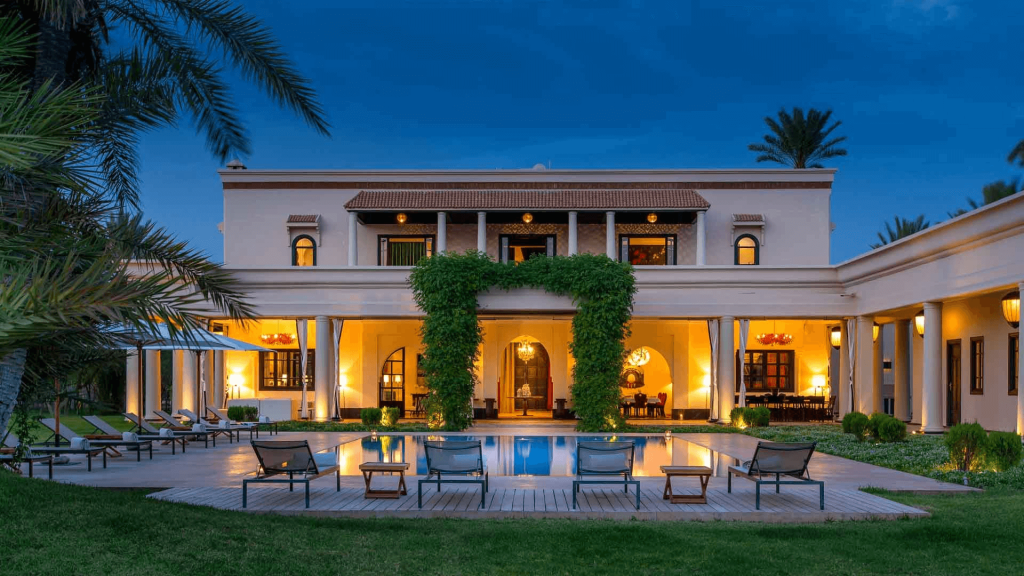
The Role Of A Moroccan Estate Agent
A licensed estate agent in Morocco does far more than show you a few flats. The best firms check the land title, confirm that the seller has paid all taxes, and obtain a non-encumbrance certificate before you even make an offer.
They open a local bank account, arrange the notary appointment, and translate every document into French or Arabic as these are the only approved languages in the country.
After completion they register the deed at the land registry, set up water and electricity accounts, and can introduce a removals company if you plan to ship furniture from the UK. Throughout the process they keep your funds in their bank account, so they can make the payments on behalf of their client without delays.

Where To Buy Properties in Morocco?
Casablanca
The economic heart of the country. Demand comes from young professionals and from companies setting up regional headquarters. New-build towers near the tram lines offer concierge service, underground parking and rooftop pools. Expect two-bed units from one hundred and twenty thousand pounds and annual rents around nine thousand.
Rabat
The political capital is quiet, green and diplomatic. Embassies and NGOs rent family villas for three-year terms, so you enjoy steady income. A restored Riad in the medina costs from two hundred thousand pounds, while a modern three-bed villa in Souissi rents for two thousand pounds a month.
Marrakech
The red city draws weekenders from Europe and winter sun-seekers from Scandinavia. A pool villa on the edge of the Palmeraie can earn thirty thousand pounds a year in holiday lettings when you work with a registered tour agency in Morocco. City-centre Riads need more upkeep but the nightly rate is higher.
Tangier
The new port and free zone create thousands of jobs. Off-plan apartments near the beach promenade start at ninety thousand pounds and sell out fast. High-speed rail cuts the journey to Casablanca to two hours, so commuters are moving north.
Agadir
Families come for the long sandy beach and the year-round warm climate. Holiday complexes with shared pools and tennis courts suit buy-to-let investors. Management companies offer guaranteed rent for the first five years.
Essaouira
The windy Atlantic town appeals to artists and surfers. Prices are still low: a restored medina house with sea view costs one hundred and fifty thousand pounds. Short lets are strong from April to October.
Harhoura
Harhoura is one of the hidden secrets in Morocco and the best place to buy a property if your budget is around $80,000. This area is very quiet, top-notch and a few minutes walk from the beach.
The Buying Process Step By Step
1- View and choose. A good agent arranges three or four full days of visits, provides market data and films each property so you can review at home.
2- Reserve. You pay five thousand pounds to take the unit off the market. The agent issues a bilingual reservation contract that sets the price, completion date and list of fixtures.
3- Legal checks. The notary obtains the land registry extract, urban planning certificate and seller’s tax clearance. This stage takes two weeks.
4- Sign the compromise. Both parties meet at the notary’s office. You pay a ten per cent deposit. If the seller withdraws, they must return the deposit.
5- Arrange finance. Moroccan banks lend up to seventy per cent of the value at fixed rates around four per cent. The agent collects the offer letters and helps you choose.
6- Final deed. After the bank issues the loan, the notary drafts the final deed. You pay the balance, registration duty and notary fee. The whole process from first viewing to key handover averages four weeks.
7- Register utilities. The agent submits meter readings, sets up direct debits and arranges insurance.
Furnish and let. If you plan to rent, the agent can introduce a tour agency in Morocco for holiday lettings or a local manager for long-term tenancies.
Common Mistakes And How To Avoid Them
1- Do not sign anything until the notary confirms the title. Some sellers offer cheap land without urban planning permission; the price looks low but you cannot build.
2- Avoid cash payments. All funds must pass through the bank so that you can repatriate the money when you sell.
3- Do not under-declare the price. The tax office now uses a reference table and you will pay the difference plus a fine.
After-Sales Service
The best estate agents stay in touch after the ink is dry. They check the property every month, pay the council tax, arrange cleaning and forward the post. If you decide to let the property, they collect the rent, file the tax return and send you the net figure in pounds or other currencies. When you wish to sell, they have your file ready and can list the unit immediately.
Frequently Asked Questions
1- Can foreigners own land in Morocco?
Yes. You can buy residential or commercial real estate in your own name without a local partner.
2- Do I need a local bank account?
Yes. The notary insists that all funds pass through a Moroccan bank so the transaction is traceable.
3- How long does a purchase take?
Four to six weeks from reservation to final deed, assuming finance is in place.
4- What rental yield can I expect?
Five to seven per cent net in the main cities, eight per cent for short lets on the coast with a tour agency in Morocco.
5- Are mortgages available to non-residents?
Yes. Banks lend up to seventy per cent of the value at fixed rates around four per cent for fifteen years
Final Word
Morocco is a land of sun, stability and positive returns. An authorized estate agent maintains the buy still, and the documentation and the rent are running.
Select what city you want to match your purpose, and take a survey with an expert, and you will own a portion of Africa that can be seen by Europe.
